Hostages Between Communities, Silence Between Governments: The Deepening Naga–Kuki Crisis in Manipur
The latest hostage crisis between the Naga and Kuki communities in Manipur has once again exposed the fragile security architecture of the state and raised difficult questions about the effectiveness of both the state and central governments. What began as an armed abduction incident in the hill districts has now escalated into a humanitarian, political, and administrative crisis involving hostage-taking, economic blockades, shutdowns, and growing mistrust between communities.
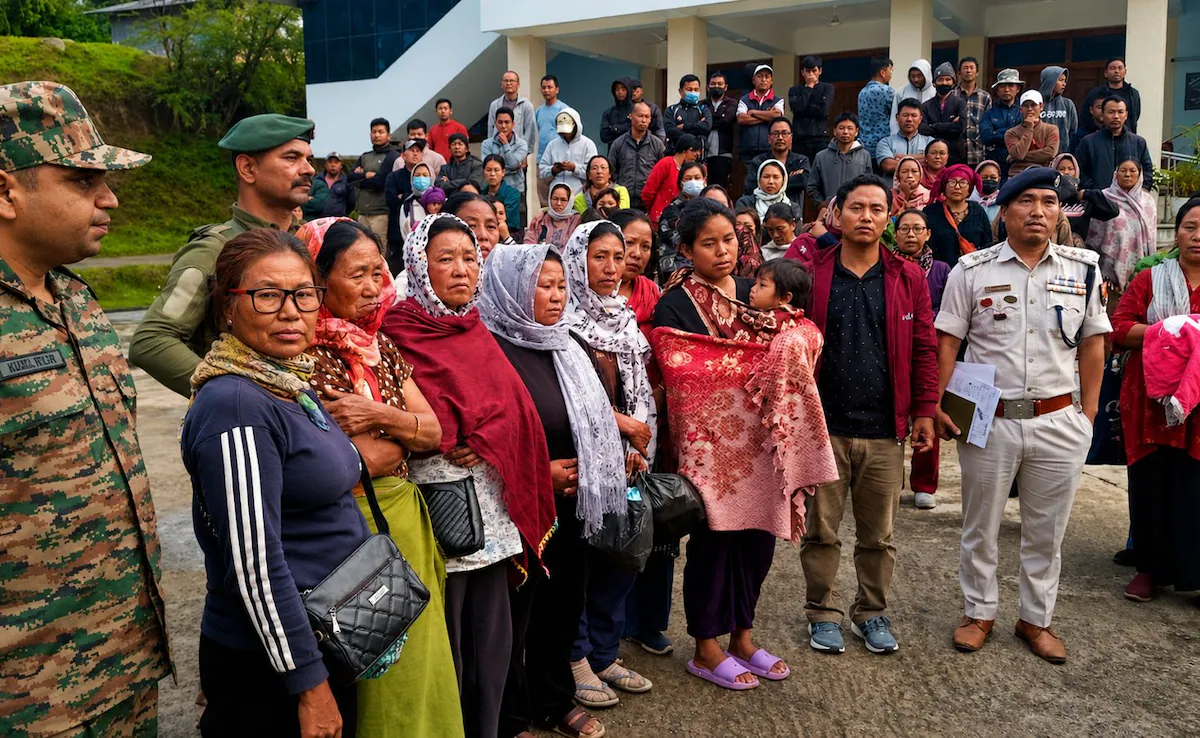
According to multiple reports, more than 38 civilians from both the Naga and Kuki communities were abducted during fresh violence and armed confrontations in areas of Kangpokpi and adjoining hill regions. While several hostages were later released through negotiations and security intervention, a number of captives reportedly remain untraceable even after days of talks and search operations.
A Crisis of Mutual Fear and Retaliation
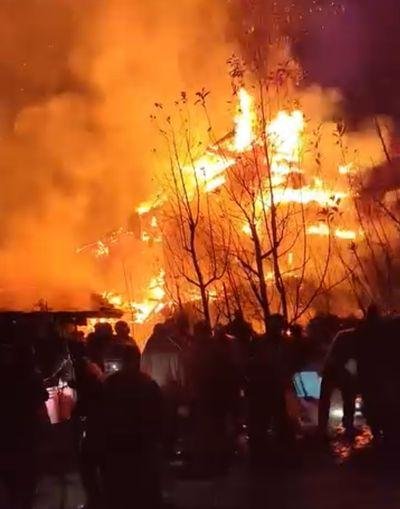
Reports indicate that the violence followed ambushes and armed attacks involving unidentified militants, leading to civilian casualties and retaliatory abductions. The crisis rapidly transformed into a cycle of community suspicion, where each side accused the other of holding innocent civilians hostage.
Security sources quoted in reports claimed that 14 Kukis were allegedly being held by Naga groups, while six Nagas were either in Kuki custody or remained untraceable. However, both communities have contested each other’s versions of events.
The hostage issue has become more than a security matter. It has turned into a symbol of the collapse of trust between neighbouring communities who have historically shared the hills of Manipur but also carry the burden of decades of unresolved ethnic and territorial disputes.
UNC’s Stand and the Naga Response
The United Naga Council (UNC), one of the apex Naga civil bodies, launched an inter-district economic blockade on highways passing through Naga-inhabited areas, accusing the Manipur government of failing to rescue the remaining Naga hostages.
The UNC alleged that six Naga civilians, including pastors, remained in captivity despite repeated appeals and deadlines issued to the authorities. Reports also indicate that the organisation urged the Union Home Ministry to intervene directly in the matter.
The blockade stranded around thousands of trucks on National Highway-2, disrupting transportation of food, fuel, and essential commodities across the state.
For many Nagas, the issue is no longer only about missing civilians. It has become a question of whether the state machinery is capable or willing to protect hill communities despite the heavy deployment of central security forces.
Kuki Organisations and Their Concerns
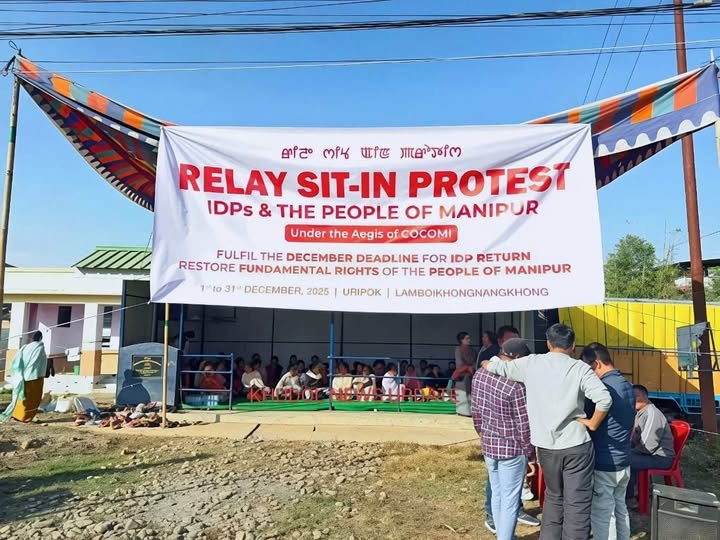
On the other side, Kuki groups have also organised shutdowns and protests, alleging that Kuki civilians were abducted and that the narrative surrounding the crisis has unfairly targeted only one side.
Several reports stated that Kuki civilians were also among those held captive, and negotiations for their release have remained deadlocked despite mediation efforts by church leaders, community elders, and security personnel.
Kuki organisations and civil society groups have repeatedly argued that the security response in the hills remains selective and inconsistent. The broader Kuki-Zo political movement has long accused the government of failing to address insecurity in tribal areas since the eruption of ethnic violence in 2023.
The Role of Security Forces: Present Everywhere, Effective Nowhere?
One of the biggest public questions emerging from the crisis is this:
How can civilians continue to disappear, be abducted, and remain untraced in one of the most militarised and heavily monitored conflict zones in Northeast India?
Thousands of central forces, Assam Rifles personnel, police commandos, and armed units are stationed across the hill districts. Yet armed groups continue to move, attack villages, ambush vehicles, and allegedly hold civilians hostage for days.
Security forces have reportedly carried out combing operations in Kangpokpi hills and other sensitive areas to trace the captives. However, the prolonged uncertainty over whether some hostages are alive or dead has intensified anger among both communities.
The silence and slow response from authorities have also strengthened public distrust. Many citizens now openly question whether the governments are merely managing headlines instead of resolving the root causes of the conflict.
Historical Faultlines Behind the Violence
The current tensions cannot be understood without acknowledging the long and painful history of Naga–Kuki conflict in Manipur. Territorial claims, identity politics, insurgency movements, and disputes over ancestral land have fuelled violence for decades.
The 1990s witnessed brutal clashes between Naga and Kuki armed groups that led to hundreds of deaths, village burnings, displacement, and deep psychological scars.
Although periods of calm followed, the wider instability created by the 2023–2026 Manipur conflict has reopened old faultlines across the hills.
Today’s hostage crisis reflects not only immediate retaliation but also accumulated grievances left unresolved for generations.
The Government Must Answer
The people of Manipur deserve clear answers from both the Government of Manipur and the Government of India.
Why were civilians left vulnerable despite massive security deployment?
Why are negotiations and rescue efforts moving so slowly?
Are intelligence agencies unable to identify the armed groups involved?
Why must ordinary civilians suffer blockades, shortages, and fear while political leaders remain largely silent?
How many hostages are still alive?
Why has there been no transparent official briefing to reassure the public?
The continuing uncertainty has created an atmosphere where rumours spread faster than facts, further inflaming communal tensions.
Beyond Community Politics
This crisis should not be viewed merely as a “Naga issue” or a “Kuki issue.” It is fundamentally a failure of governance and conflict resolution.
Both communities have suffered. Both communities have lost civilians. Both communities now fear abandonment by the state.
The longer the governments delay decisive humanitarian and political intervention, the greater the danger that the hostage crisis could evolve into a wider communal confrontation with long-term consequences for the fragile peace of the hill districts.
At a time when church groups, civil society organisations, and local leaders are attempting dialogue and mediation, the silence or limited visibility of political leadership has become increasingly difficult for the public to understand.
Manipur does not merely need security operations. It needs accountability, transparency, and political courage.
According to multiple reports, more than 38 civilians from both the Naga and Kuki communities were abducted during fresh violence and armed confrontations in areas of Kangpokpi and adjoining hill regions. While several hostages were later released through negotiations and security intervention, a number of captives reportedly remain untraceable even after days of talks and search operations.
A Crisis of Mutual Fear and Retaliation
Reports indicate that the violence followed ambushes and armed attacks involving unidentified militants, leading to civilian casualties and retaliatory abductions. The crisis rapidly transformed into a cycle of community suspicion, where each side accused the other of holding innocent civilians hostage.
Security sources quoted in reports claimed that 14 Kukis were allegedly being held by Naga groups, while six Nagas were either in Kuki custody or remained untraceable. However, both communities have contested each other’s versions of events.
The hostage issue has become more than a security matter. It has turned into a symbol of the collapse of trust between neighbouring communities who have historically shared the hills of Manipur but also carry the burden of decades of unresolved ethnic and territorial disputes.
UNC’s Stand and the Naga Response
The United Naga Council (UNC), one of the apex Naga civil bodies, launched an inter-district economic blockade on highways passing through Naga-inhabited areas, accusing the Manipur government of failing to rescue the remaining Naga hostages.
The UNC alleged that six Naga civilians, including pastors, remained in captivity despite repeated appeals and deadlines issued to the authorities. Reports also indicate that the organisation urged the Union Home Ministry to intervene directly in the matter.
The blockade stranded around thousands of trucks on National Highway-2, disrupting transportation of food, fuel, and essential commodities across the state.
For many Nagas, the issue is no longer only about missing civilians. It has become a question of whether the state machinery is capable or willing to protect hill communities despite the heavy deployment of central security forces.
Kuki Organisations and Their Concerns
On the other side, Kuki groups have also organised shutdowns and protests, alleging that Kuki civilians were abducted and that the narrative surrounding the crisis has unfairly targeted only one side.
Several reports stated that Kuki civilians were also among those held captive, and negotiations for their release have remained deadlocked despite mediation efforts by church leaders, community elders, and security personnel.
Kuki organisations and civil society groups have repeatedly argued that the security response in the hills remains selective and inconsistent. The broader Kuki-Zo political movement has long accused the government of failing to address insecurity in tribal areas since the eruption of ethnic violence in 2023.
The Role of Security Forces: Present Everywhere, Effective Nowhere?
One of the biggest public questions emerging from the crisis is this:
How can civilians continue to disappear, be abducted, and remain untraced in one of the most militarised and heavily monitored conflict zones in Northeast India?
Thousands of central forces, Assam Rifles personnel, police commandos, and armed units are stationed across the hill districts. Yet armed groups continue to move, attack villages, ambush vehicles, and allegedly hold civilians hostage for days.
Security forces have reportedly carried out combing operations in Kangpokpi hills and other sensitive areas to trace the captives. However, the prolonged uncertainty over whether some hostages are alive or dead has intensified anger among both communities.
The silence and slow response from authorities have also strengthened public distrust. Many citizens now openly question whether the governments are merely managing headlines instead of resolving the root causes of the conflict.
Historical Faultlines Behind the Violence
The current tensions cannot be understood without acknowledging the long and painful history of Naga–Kuki conflict in Manipur. Territorial claims, identity politics, insurgency movements, and disputes over ancestral land have fuelled violence for decades.
The 1990s witnessed brutal clashes between Naga and Kuki armed groups that led to hundreds of deaths, village burnings, displacement, and deep psychological scars.
Although periods of calm followed, the wider instability created by the 2023–2026 Manipur conflict has reopened old faultlines across the hills.
Today’s hostage crisis reflects not only immediate retaliation but also accumulated grievances left unresolved for generations.
The Government Must Answer
The people of Manipur deserve clear answers from both the Government of Manipur and the Government of India.
Why were civilians left vulnerable despite massive security deployment?
Why are negotiations and rescue efforts moving so slowly?
Are intelligence agencies unable to identify the armed groups involved?
Why must ordinary civilians suffer blockades, shortages, and fear while political leaders remain largely silent?
How many hostages are still alive?
Why has there been no transparent official briefing to reassure the public?
The continuing uncertainty has created an atmosphere where rumours spread faster than facts, further inflaming communal tensions.
Beyond Community Politics
This crisis should not be viewed merely as a “Naga issue” or a “Kuki issue.” It is fundamentally a failure of governance and conflict resolution.
Both communities have suffered. Both communities have lost civilians. Both communities now fear abandonment by the state.
The longer the governments delay decisive humanitarian and political intervention, the greater the danger that the hostage crisis could evolve into a wider communal confrontation with long-term consequences for the fragile peace of the hill districts.
At a time when church groups, civil society organisations, and local leaders are attempting dialogue and mediation, the silence or limited visibility of political leadership has become increasingly difficult for the public to understand.
Manipur does not merely need security operations. It needs accountability, transparency, and political courage.