United States, Israel, and Iran: War, Civilian Harm, and International Law.
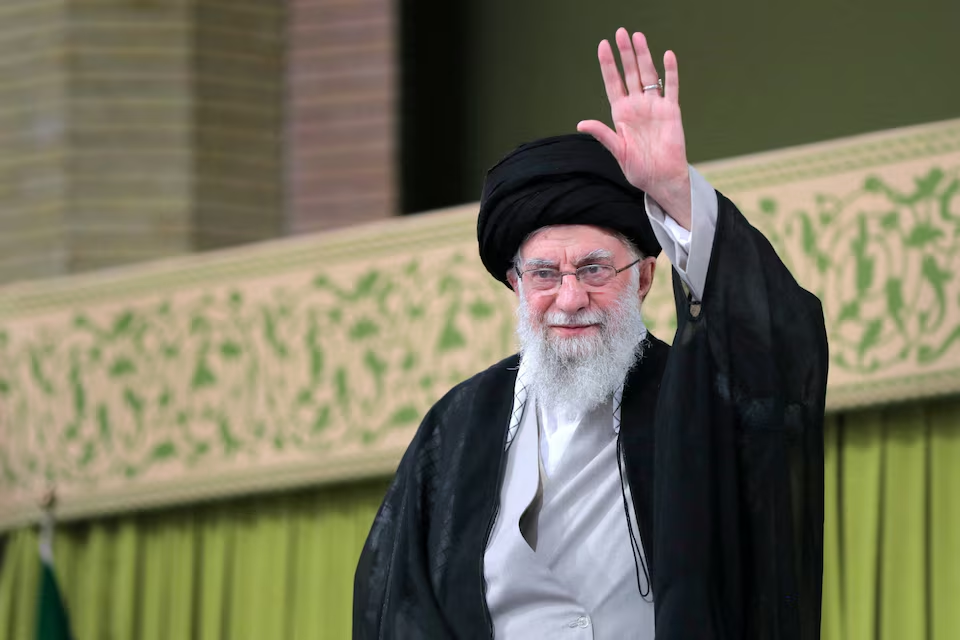
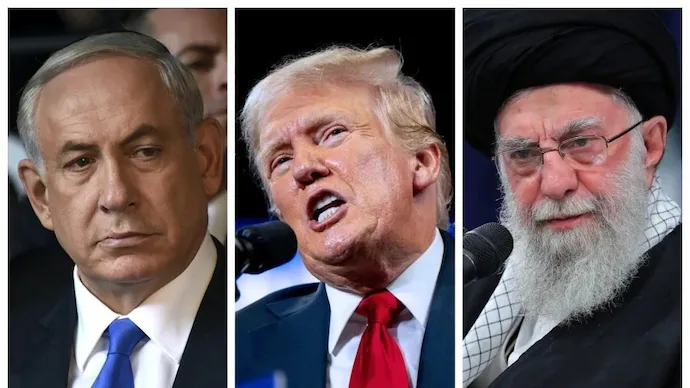
In late February and early March 2026, a major military confrontation erupted involving the United States, Israel, and Iran, marking one of the most severe escalations in decades of tense relations. On 28 February 2026, Israeli forces, in conjunction with U.S. military assets, launched a large-scale aerial and missile campaign against targets across Iran described by Israeli officials as Operation Lion’s Roar and by U.S. authorities as Operation Epic Fury. These strikes targeted Iranian political and military leadership and infrastructure. Iran’s Supreme Leader, Ayatollah Ali Khamenei, was killed during the initial attacks, according to Iranian state media and multiple reports.
The conflict quickly broadened, with reports of retaliatory strikes by Iran against U.S. and allied facilities and civilian targets in the region, and further bombardments by Israeli and U.S. forces. This essay examines the events, civilian impacts including tragic reports of schoolrelated casualties and contested questions about international law in this rapidly evolving confrontation.
The initial U.S. Israeli strikes were justified by Washington and Tel Aviv on grounds of preempting threats from Iran’s missile forces and nuclear programme. Iran vehemently rejects these characterisations, calling the offensive an unprovoked act of aggression and violation of its sovereignty. Iran’s Foreign Minister described the attack as “unprovoked, illegal and absolutely illegitimate,” emphasising what Tehran considers its right under international law to defend itself.
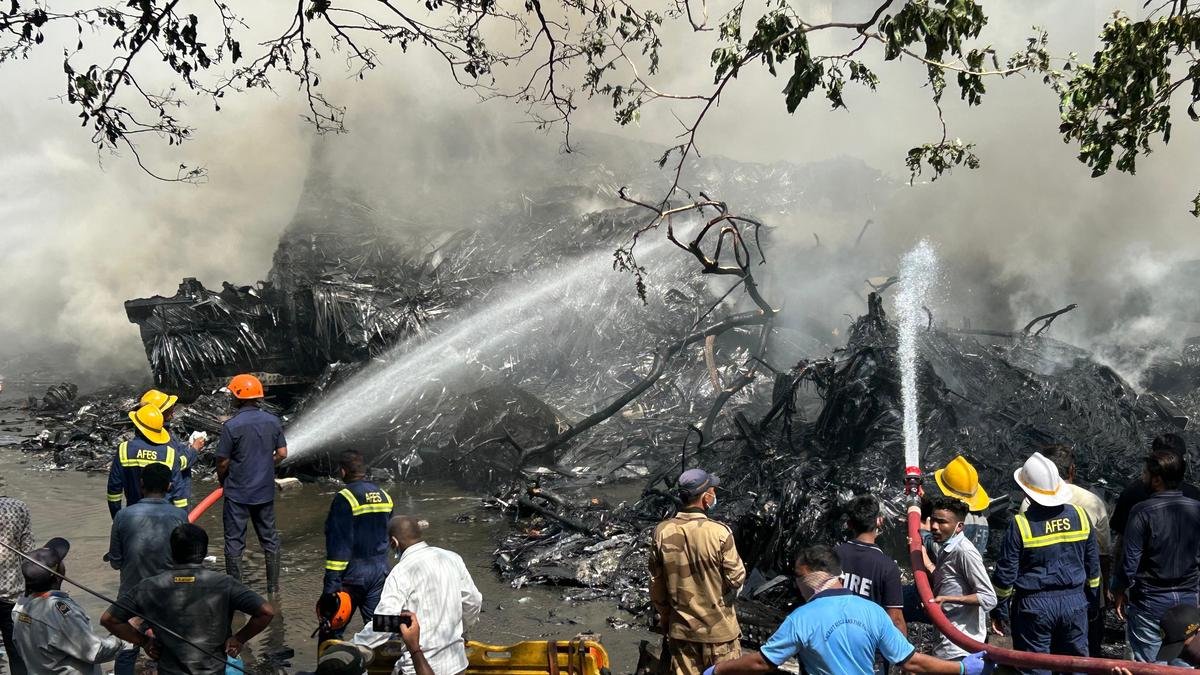
Among the most disturbing allegations emerging in the first days of the conflict are multiple reports of attacks on civilian infrastructure, including a primary school in Minab, southern Iran. According to Iranian state media and local officials, a missile struck the Shajareh Tayyebeh girls’ elementary school during class hours, killing dozens of children and injuring many more as rescue efforts continued. Iranian authorities reported casualty figures ranging up to 165 people, most of them schoolchildren, though independent verification remains difficult under conflict conditions.
International organisations including UNESCO and humanitarian advocates have condemned the reported attack on the school as a grave violation of humanitarian law, which obliges warring parties to protect civilians and civilian objects such as schools. The United Nations Secretary-General and prominent global figures like Malala Yousafzai publicly denounced the killing of children and urged respect for international norms.
The International Commission of Jurists (ICJ) also released a statement calling for the cessation of unlawful attacks and underscoring that the U.S. and Israeli strikes, especially those causing significant civilian casualties are in potential violation of the United Nations Charter and international humanitarian law. The ICJ specifically noted that non-combatant deaths, including children in schools, raise serious legal and moral issues about distinction and proportionality in armed conflict.
Iranian officials and media have characterised these incidents as war crimes and crimes against humanity, arguing that deliberate or reckless strikes on civilian spaces cannot be justified under international law. They argue that even if military targets exist nearby, parties to a conflict are required to take all feasible precautions to avoid civilian harm, a principle enshrined in the Geneva Conventions and customary international humanitarian law.
At the heart of much of the debate is the legal basis for the U.S. and Israeli offensive. Under the United Nations Charter, the use of force against another state is generally prohibited except in cases of self-defense following an armed attack or when authorised by the UN Security Council. The ICJ reiterated that military action without such conditions may violate international law.
Iran contends that the strikes lacked both a clear self-defence justification and any Security Council authorisation, and thus represent a violation of the Charter’s prohibition on the use of force. Tehran cites its own interpretation of international law to justify retaliatory actions against U.S. and Israeli assets as self-defence against continuous aggression.
Some foreign officials and scholars have echoed concerns about legality. For example, certain international voices have questioned whether the scale and timing of the offensive can be characterised as legitimate pre-emptive self-defence under recognised legal standards, especially given ongoing diplomatic negotiations prior to the strikes. Independent analysts and commentators note that the absence of clear imminence or direct threat can complicate claims of lawful self-defence.
Beyond the immediate battlefield, the conflict has attracted widespread international reactions. Several nations and blocs, including European Union members, Russia, and China, have urged restraint and emphasised the need to respect international law. Russian and Chinese leaders specifically condemned the strikes that killed Iran’s supreme leader as violations of sovereignty and called for an end to hostilities.
The humanitarian dimension has also drawn global concern. Civilian casualties, displacement, and economic disruption particularly in Iran and neighbouring states have heightened calls for diplomatic intervention and ceasefire. Many international analysts believe that prolonged conflict will deepen regional instability and risk drawing in additional states.
Within Iran, the tragic deaths of children and destruction of civilian infrastructure have strengthened calls for unity against what many Iranians perceive as external aggression. While some international observers caution that state-linked casualty figures may be subject to wartime propaganda, the visible evidence of civilian harm including damage to schools has intensified the urgency of legal and political scrutiny.
The conflict between the United States, Israel, and Iran in early 2026 is a complex and evolving crisis with deep historical roots and broad global implications. Reports of civilian casualties, especially the alleged deaths of children in a school struck amid military operations have intensified debate over the legality and morality of the offensive. Claims from Iran and several international bodies that the strikes constitute violations of international humanitarian law reflect profound concerns about civilian protection and the conduct of modern warfare.
At the same time, understanding this crisis requires careful attention to all perspectives: the stated security rationales of the U.S. and Israel, Iran’s assertions of sovereignty and self-defense, and the humanitarian imperative of protecting non-combatants in conflict zones. The tragic loss of life particularly among students and children is a stark reminder of the human cost of war and the enduring importance of legal and diplomatic frameworks designed to limit suffering in armed conflict.
The conflict quickly broadened, with reports of retaliatory strikes by Iran against U.S. and allied facilities and civilian targets in the region, and further bombardments by Israeli and U.S. forces. This essay examines the events, civilian impacts including tragic reports of schoolrelated casualties and contested questions about international law in this rapidly evolving confrontation.
The initial U.S. Israeli strikes were justified by Washington and Tel Aviv on grounds of preempting threats from Iran’s missile forces and nuclear programme. Iran vehemently rejects these characterisations, calling the offensive an unprovoked act of aggression and violation of its sovereignty. Iran’s Foreign Minister described the attack as “unprovoked, illegal and absolutely illegitimate,” emphasising what Tehran considers its right under international law to defend itself.
Among the most disturbing allegations emerging in the first days of the conflict are multiple reports of attacks on civilian infrastructure, including a primary school in Minab, southern Iran. According to Iranian state media and local officials, a missile struck the Shajareh Tayyebeh girls’ elementary school during class hours, killing dozens of children and injuring many more as rescue efforts continued. Iranian authorities reported casualty figures ranging up to 165 people, most of them schoolchildren, though independent verification remains difficult under conflict conditions.
International organisations including UNESCO and humanitarian advocates have condemned the reported attack on the school as a grave violation of humanitarian law, which obliges warring parties to protect civilians and civilian objects such as schools. The United Nations Secretary-General and prominent global figures like Malala Yousafzai publicly denounced the killing of children and urged respect for international norms.
The International Commission of Jurists (ICJ) also released a statement calling for the cessation of unlawful attacks and underscoring that the U.S. and Israeli strikes, especially those causing significant civilian casualties are in potential violation of the United Nations Charter and international humanitarian law. The ICJ specifically noted that non-combatant deaths, including children in schools, raise serious legal and moral issues about distinction and proportionality in armed conflict.
Iranian officials and media have characterised these incidents as war crimes and crimes against humanity, arguing that deliberate or reckless strikes on civilian spaces cannot be justified under international law. They argue that even if military targets exist nearby, parties to a conflict are required to take all feasible precautions to avoid civilian harm, a principle enshrined in the Geneva Conventions and customary international humanitarian law.
At the heart of much of the debate is the legal basis for the U.S. and Israeli offensive. Under the United Nations Charter, the use of force against another state is generally prohibited except in cases of self-defense following an armed attack or when authorised by the UN Security Council. The ICJ reiterated that military action without such conditions may violate international law.
Iran contends that the strikes lacked both a clear self-defence justification and any Security Council authorisation, and thus represent a violation of the Charter’s prohibition on the use of force. Tehran cites its own interpretation of international law to justify retaliatory actions against U.S. and Israeli assets as self-defence against continuous aggression.
Some foreign officials and scholars have echoed concerns about legality. For example, certain international voices have questioned whether the scale and timing of the offensive can be characterised as legitimate pre-emptive self-defence under recognised legal standards, especially given ongoing diplomatic negotiations prior to the strikes. Independent analysts and commentators note that the absence of clear imminence or direct threat can complicate claims of lawful self-defence.
Beyond the immediate battlefield, the conflict has attracted widespread international reactions. Several nations and blocs, including European Union members, Russia, and China, have urged restraint and emphasised the need to respect international law. Russian and Chinese leaders specifically condemned the strikes that killed Iran’s supreme leader as violations of sovereignty and called for an end to hostilities.
The humanitarian dimension has also drawn global concern. Civilian casualties, displacement, and economic disruption particularly in Iran and neighbouring states have heightened calls for diplomatic intervention and ceasefire. Many international analysts believe that prolonged conflict will deepen regional instability and risk drawing in additional states.
Within Iran, the tragic deaths of children and destruction of civilian infrastructure have strengthened calls for unity against what many Iranians perceive as external aggression. While some international observers caution that state-linked casualty figures may be subject to wartime propaganda, the visible evidence of civilian harm including damage to schools has intensified the urgency of legal and political scrutiny.
The conflict between the United States, Israel, and Iran in early 2026 is a complex and evolving crisis with deep historical roots and broad global implications. Reports of civilian casualties, especially the alleged deaths of children in a school struck amid military operations have intensified debate over the legality and morality of the offensive. Claims from Iran and several international bodies that the strikes constitute violations of international humanitarian law reflect profound concerns about civilian protection and the conduct of modern warfare.
At the same time, understanding this crisis requires careful attention to all perspectives: the stated security rationales of the U.S. and Israel, Iran’s assertions of sovereignty and self-defense, and the humanitarian imperative of protecting non-combatants in conflict zones. The tragic loss of life particularly among students and children is a stark reminder of the human cost of war and the enduring importance of legal and diplomatic frameworks designed to limit suffering in armed conflict.