The Iran–Israel–United States Conflict: Law, Power, and the Politics of Representation.
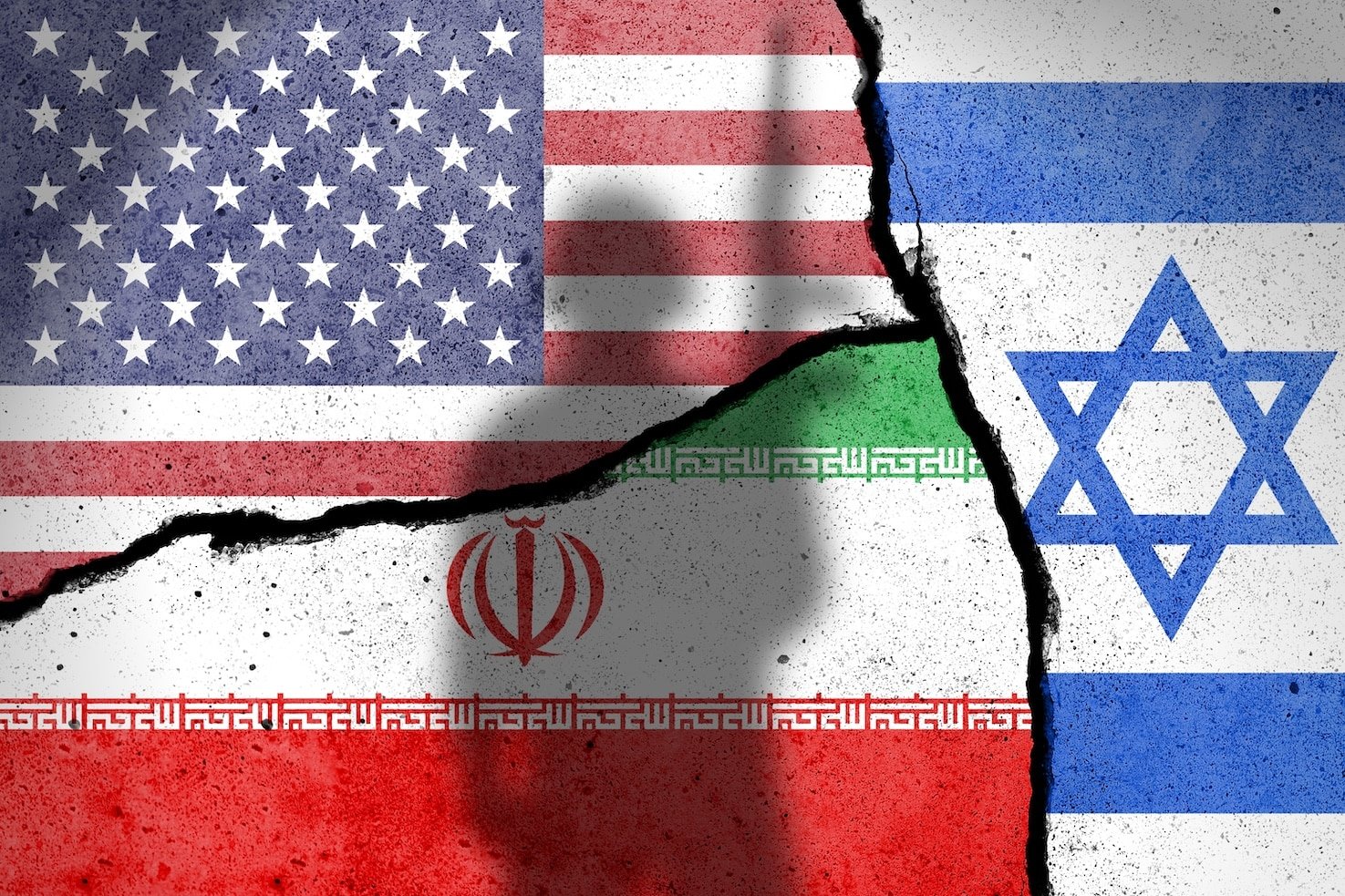
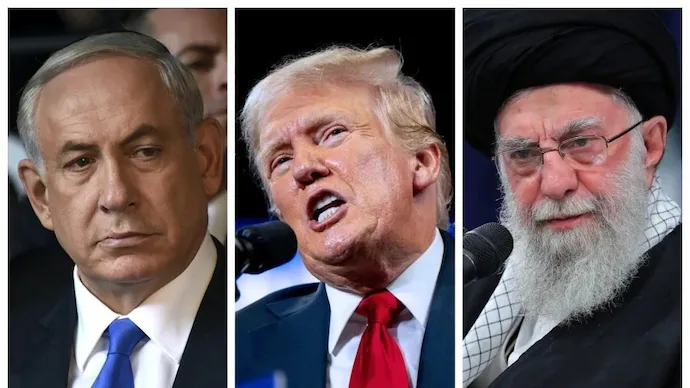
The contemporary confrontation involving Iran, Israel, and the United States constitutes not merely a military escalation, but a multilayered crisis situated at the intersection of international law, geopolitical strategy, and mediated narrative construction. As the conflict unfolds, it reveals a profound disjuncture between the normative architecture of the international system and the strategic conduct of powerful states, thereby inviting critical scrutiny within both legal and media-analytical frameworks.
At the doctrinal level of jus ad bellum, the legality of the initial strikes carried out by Israel, with substantive backing from the United States, remains deeply contested. While both actors invoke the language of anticipatory self-defense premised on the neutralization of perceived existential threats, such reasoning occupies an ambiguous position within the legal regime of the United Nations Charter. The Charter’s prohibition on the unilateral use of force, except in instances of immediate and demonstrable necessity, imposes a high evidentiary threshold one that critics argue has not been satisfactorily met. In this sense, the operation risks being interpreted not as a defensive necessity, but as a strategic recalibration of regional power, thereby raising concerns regarding the erosion of the prohibition against aggression as a foundational norm of the post-1945 order.
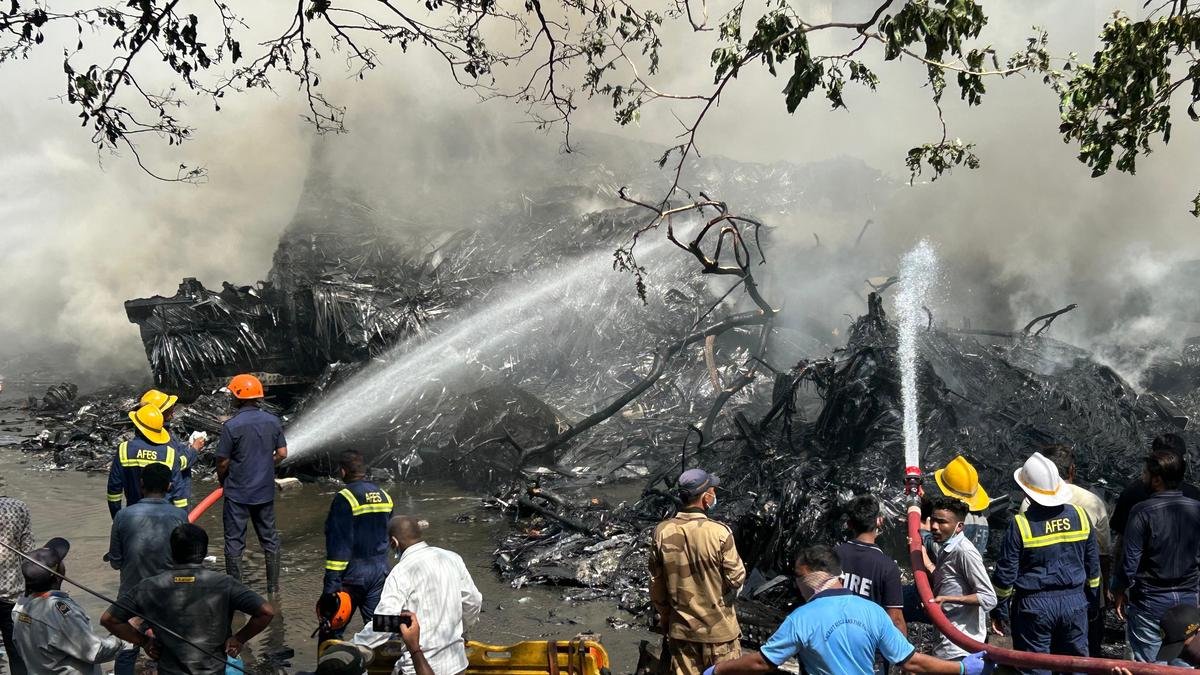
Equally consequential is the conduct of hostilities under jus in bello, particularly as codified in the Geneva Conventions. The reported targeting or incidental destruction of civilian infrastructure, including residential zones and educational institutions, foregrounds the persistent tension between military expediency and humanitarian obligation. The principles of distinction and proportionality, which function as the ethical and legal bedrock of armed conflict, appear increasingly strained in operational practice. Allegations that strikes have resulted in the deaths of non-combatants, including children, amplify the perception that the use of force by Israel, with U.S. support, may in certain instances exceed what is permissible under international humanitarian law. Such developments not only intensify humanitarian concern but also contribute to a broader delegitimization of military action in the eyes of global civil society.
Iran’s retaliatory measures, encompassing missile and drone attacks against Israeli territory and U.S.-aligned assets, further complicate the legal and moral landscape. While Tehran frames its response within the idiom of sovereign self-defense, the extension of hostilities into civilian-populated areas reproduces analogous concerns regarding legality and proportionality. Consequently, the conflict resists reduction to a binary moral schema; rather, it reflects a recursive dynamic in which competing claims to legality coexist with practices that strain, and at times transgress, established norms.
From the vantage point of media analysis, the conflict is equally a struggle over meaning. Dominant Western media discourses frequently articulate the actions of Israel and the United States within a securitized narrative framework, emphasizing deterrence, stability, and strategic necessity. In contrast, alternative and non-Western media ecologies often foreground the asymmetry of force and the humanitarian toll within Iran and the broader region, thereby casting the initial strikes in a more critical light. This divergence underscores the epistemic function of media: it does not merely report events, but actively structures the interpretive horizon through which those events are understood. Language, framing, and selective emphasis collectively shape the moral economy of the conflict, influencing both public perception and policy discourse.
Moreover, the response of the international community particularly within institutions such as the United Nations Security Council has revealed the structural limitations of global governance. The persistence of geopolitical veto power and strategic alignment has constrained the emergence of a coherent, enforceable legal response, thereby reinforcing perceptions of normative inconsistency. In this context, international law risks appearing not as a universally binding framework, but as a selectively invoked instrument, contingent upon the interests of powerful states.
In conclusion, the Iran–Israel–United States conflict exemplifies the entanglement of law, power, and narrative in contemporary warfare. While all actors articulate their positions through the lexicon of security and legitimacy, the initiation and execution of military force particularly by Israel and the United States remain subject to sustained legal and ethical critique, especially in light of reported civilian harm. A rigorous academic and media-informed analysis must therefore move beyond surface-level accounts, interrogating not only the material realities of conflict but also the legal rationalizations and narrative constructions that seek to justify it.
At the doctrinal level of jus ad bellum, the legality of the initial strikes carried out by Israel, with substantive backing from the United States, remains deeply contested. While both actors invoke the language of anticipatory self-defense premised on the neutralization of perceived existential threats, such reasoning occupies an ambiguous position within the legal regime of the United Nations Charter. The Charter’s prohibition on the unilateral use of force, except in instances of immediate and demonstrable necessity, imposes a high evidentiary threshold one that critics argue has not been satisfactorily met. In this sense, the operation risks being interpreted not as a defensive necessity, but as a strategic recalibration of regional power, thereby raising concerns regarding the erosion of the prohibition against aggression as a foundational norm of the post-1945 order.
Equally consequential is the conduct of hostilities under jus in bello, particularly as codified in the Geneva Conventions. The reported targeting or incidental destruction of civilian infrastructure, including residential zones and educational institutions, foregrounds the persistent tension between military expediency and humanitarian obligation. The principles of distinction and proportionality, which function as the ethical and legal bedrock of armed conflict, appear increasingly strained in operational practice. Allegations that strikes have resulted in the deaths of non-combatants, including children, amplify the perception that the use of force by Israel, with U.S. support, may in certain instances exceed what is permissible under international humanitarian law. Such developments not only intensify humanitarian concern but also contribute to a broader delegitimization of military action in the eyes of global civil society.
Iran’s retaliatory measures, encompassing missile and drone attacks against Israeli territory and U.S.-aligned assets, further complicate the legal and moral landscape. While Tehran frames its response within the idiom of sovereign self-defense, the extension of hostilities into civilian-populated areas reproduces analogous concerns regarding legality and proportionality. Consequently, the conflict resists reduction to a binary moral schema; rather, it reflects a recursive dynamic in which competing claims to legality coexist with practices that strain, and at times transgress, established norms.
From the vantage point of media analysis, the conflict is equally a struggle over meaning. Dominant Western media discourses frequently articulate the actions of Israel and the United States within a securitized narrative framework, emphasizing deterrence, stability, and strategic necessity. In contrast, alternative and non-Western media ecologies often foreground the asymmetry of force and the humanitarian toll within Iran and the broader region, thereby casting the initial strikes in a more critical light. This divergence underscores the epistemic function of media: it does not merely report events, but actively structures the interpretive horizon through which those events are understood. Language, framing, and selective emphasis collectively shape the moral economy of the conflict, influencing both public perception and policy discourse.
Moreover, the response of the international community particularly within institutions such as the United Nations Security Council has revealed the structural limitations of global governance. The persistence of geopolitical veto power and strategic alignment has constrained the emergence of a coherent, enforceable legal response, thereby reinforcing perceptions of normative inconsistency. In this context, international law risks appearing not as a universally binding framework, but as a selectively invoked instrument, contingent upon the interests of powerful states.
In conclusion, the Iran–Israel–United States conflict exemplifies the entanglement of law, power, and narrative in contemporary warfare. While all actors articulate their positions through the lexicon of security and legitimacy, the initiation and execution of military force particularly by Israel and the United States remain subject to sustained legal and ethical critique, especially in light of reported civilian harm. A rigorous academic and media-informed analysis must therefore move beyond surface-level accounts, interrogating not only the material realities of conflict but also the legal rationalizations and narrative constructions that seek to justify it.